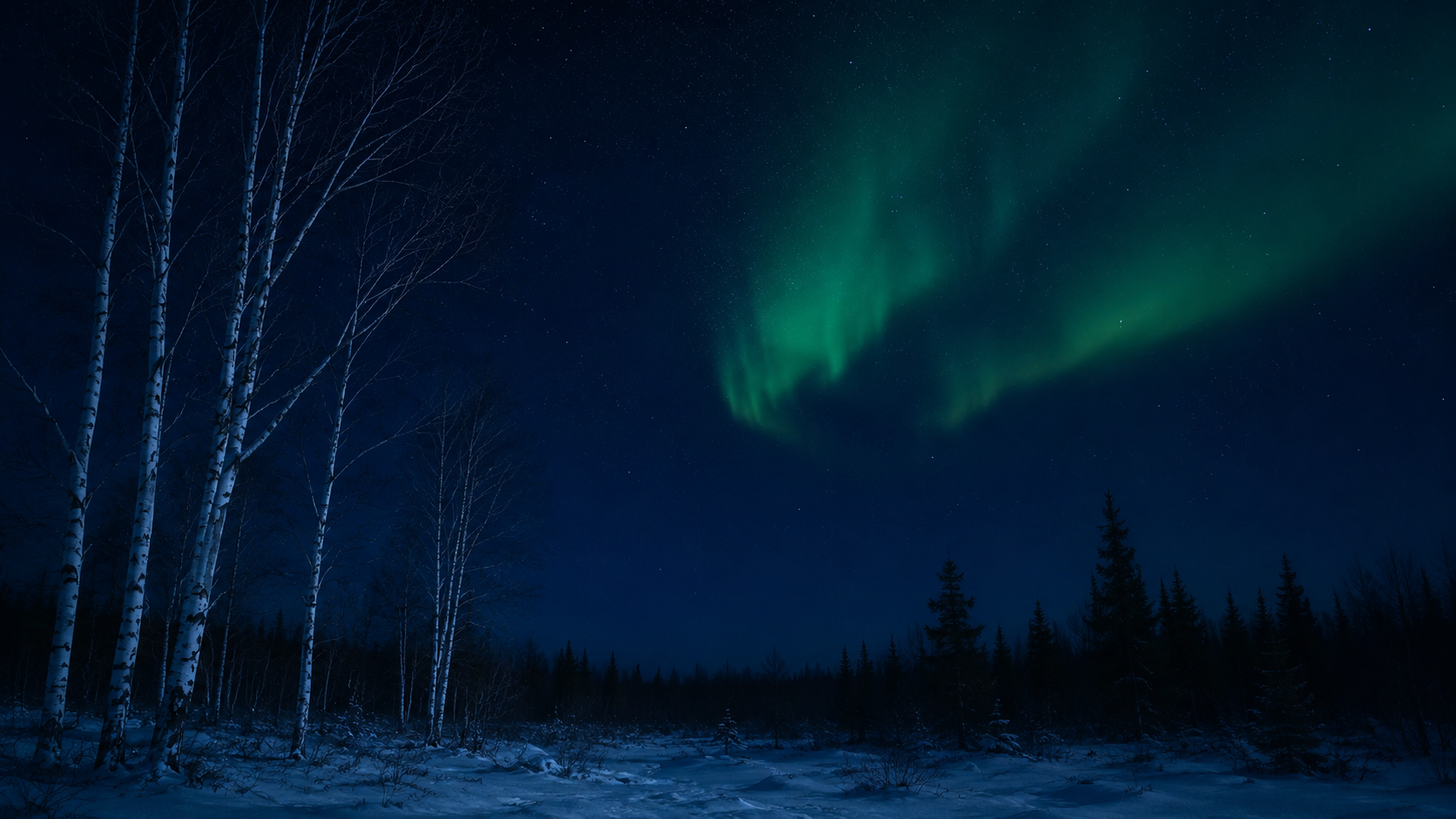
Russia
The Higgs Bison
Cold science and old DNA meet in the field. A revived creature moves through a landscape where evidence, memory, and survival have become difficult to separate.
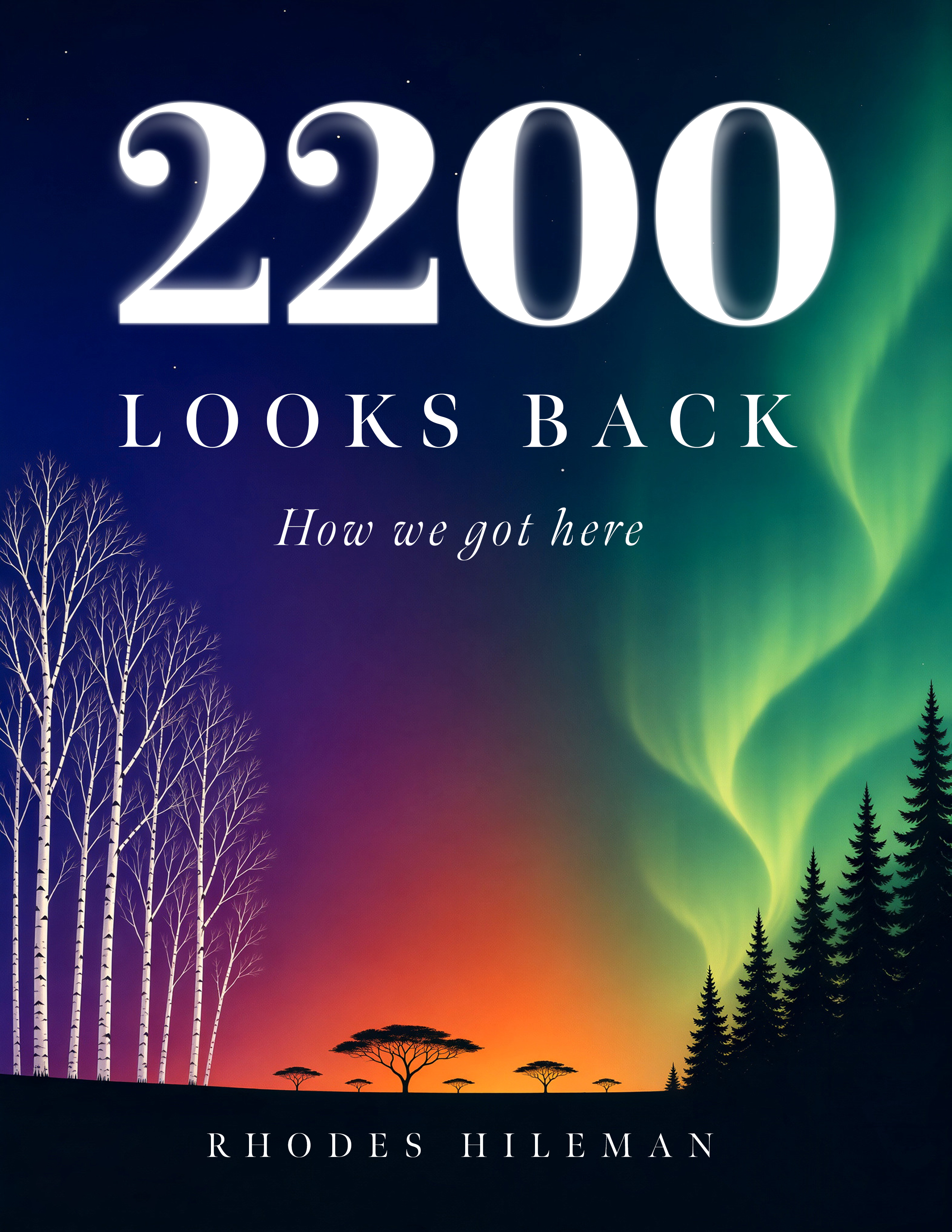
How we got here. Restoration
How we got here.
Three biologists. Three continents. Three encounters with a world that chose, against considerable odds, to persist. In 2202, the Net connects them across distance, and when a global challenge arises, that connection becomes everything.
About the Book
Chances are slim, so one future is described — the possible one.
In 2202, the Net connects three biologists across distance and continent. What they find in Russia, Australia, and Canada is not collapse. It is resilience, hard-won and ongoing: a future that survived because people learned to pay attention.
2200 Looks Back follows scientists and stewards inside ecosystems that still ask difficult questions. What should be restored? What should be protected? What must be left alone?
The Story Unfolds in Three Places
The continents are not backdrops. Each place carries a different kind of pressure: restoration, hidden systems, and the strange grace of a living world that keeps moving.
Russia
Cold science and old DNA meet in the field. A revived creature moves through a landscape where evidence, memory, and survival have become difficult to separate.
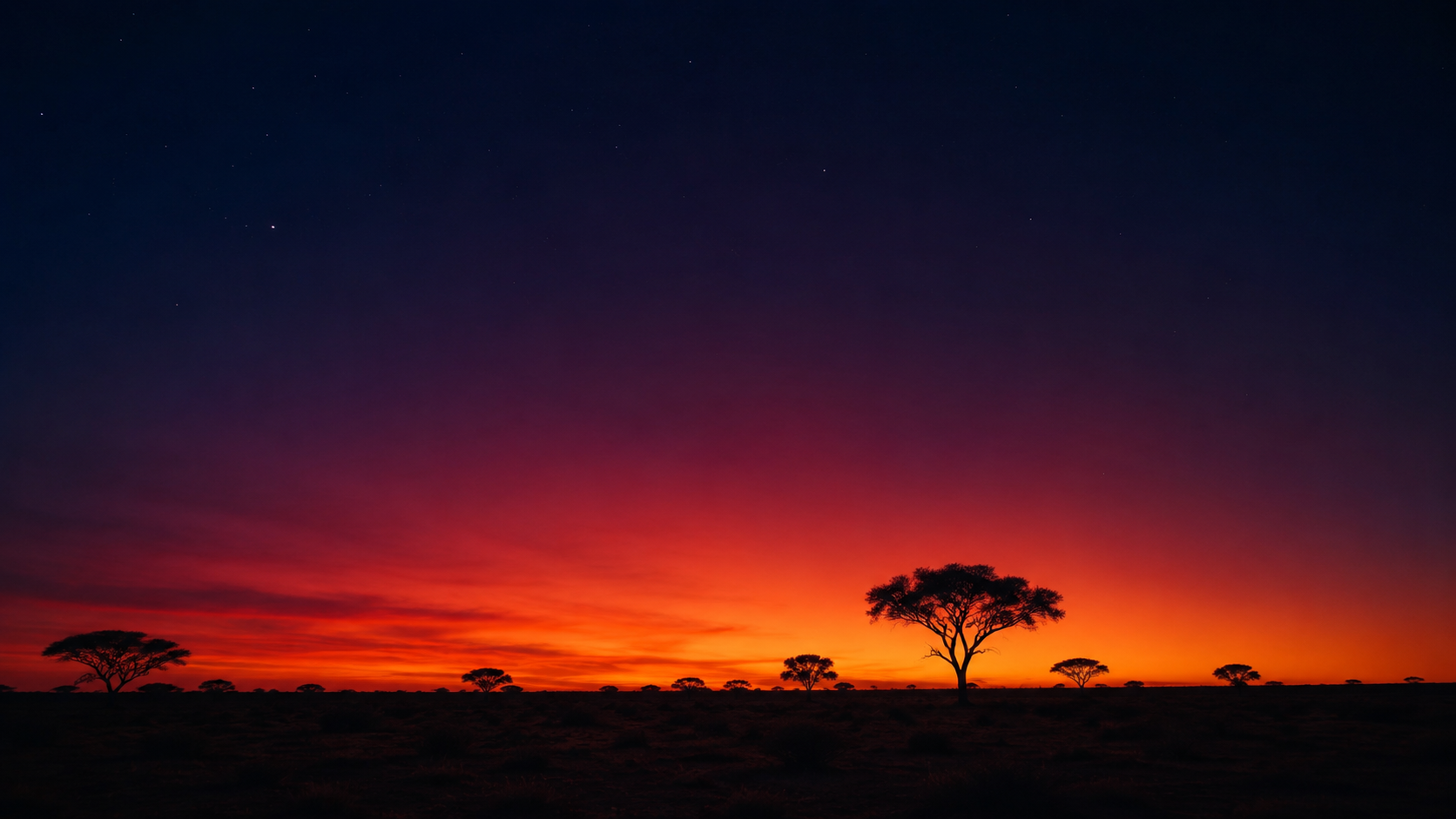
Australia
At a submarine data hub, the Australian story opens onto the planet’s economy. A parasitic group is quietly unplugged from a normal mining operation, while an extraterrestrial visit is hidden, managed, and carefully welcomed.
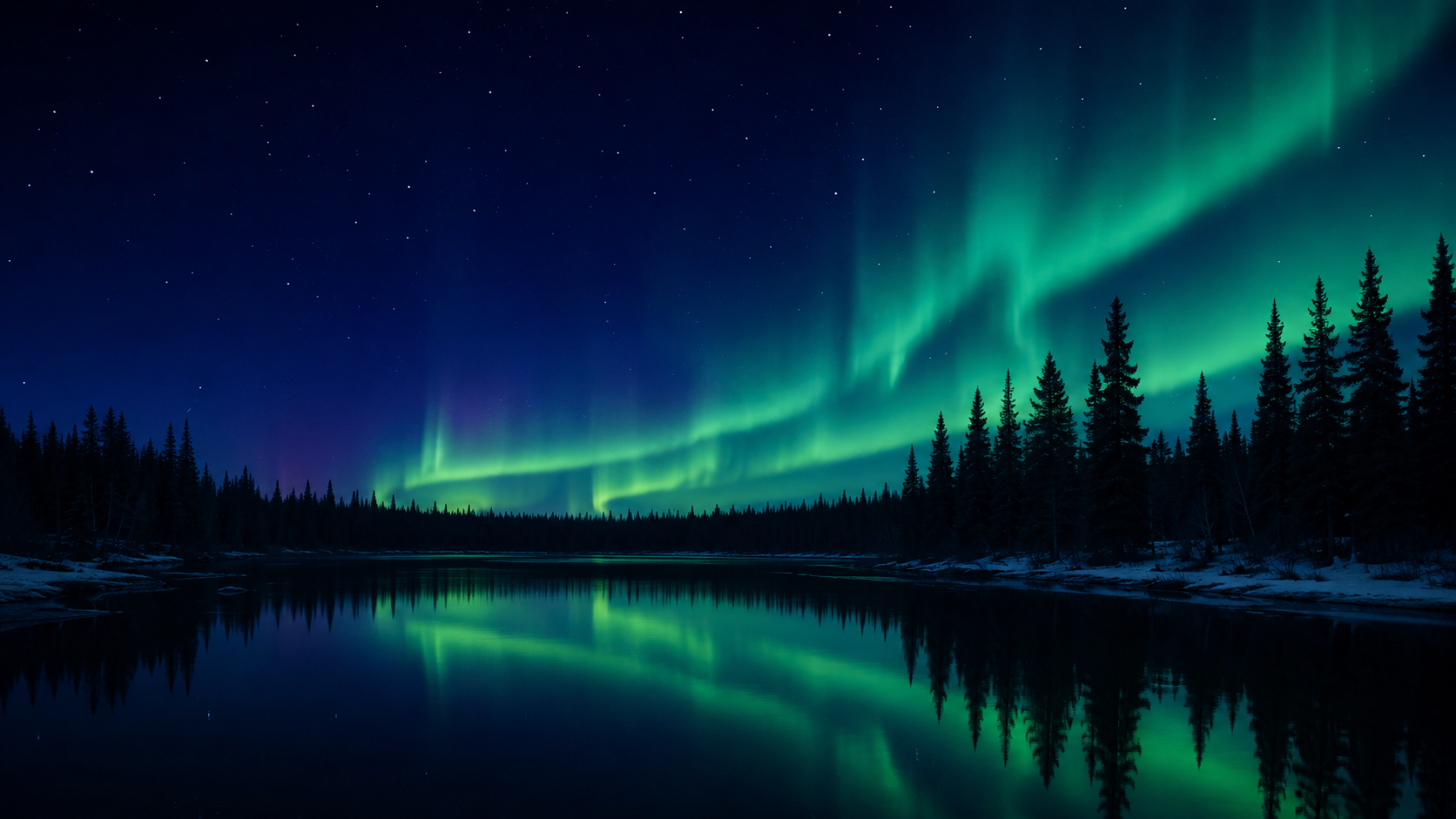
Canada
Species move. Habitats shift. In a wilderness still intact enough to receive the unexpected, a new large carnivore becomes a signal from a planet still alive.
— Jorgen Randers
A book for anyone who believes the future is not yet decided.
Available Now
How we got here.
Follow three biologists across a connected future where survival is not accidental. It is studied, argued over, protected, and chosen.

